In this article, we’ll explore the best strategies to maximize your solar output during cloudy and rainy weather, ensuring that your investment in solar technology continues to deliver strong returns year-round.
Best Solar Output Tips in Cloudy and Rainy Weather
Solar power is one of the most sustainable and cost-effective energy sources available today. However, one of the most common concerns among homeowners and businesses is how effective solar panels are in cloudy and rainy weather. While it’s true that solar panels perform best under direct sunlight, they can still generate electricity during overcast conditions—just at a reduced efficiency.
In this article, we’ll explore the best strategies to maximize your solar output during cloudy and rainy weather, ensuring that your investment in solar technology continues to deliver strong returns year-round.
1. Use High-Efficiency Solar Panels
Not all solar panels are created equal. Monocrystalline panels, especially those with N-type or PERC cell technology, offer superior performance in low-light conditions compared to polycrystalline or older models. High-efficiency panels are designed to capture and convert even diffused sunlight into usable electricity.
When purchasing solar panels, review the manufacturer’s performance data for low-irradiance conditions. Panels with a better low-light response can significantly improve your energy output during overcast weather.
2. Install a Solar Battery Storage System
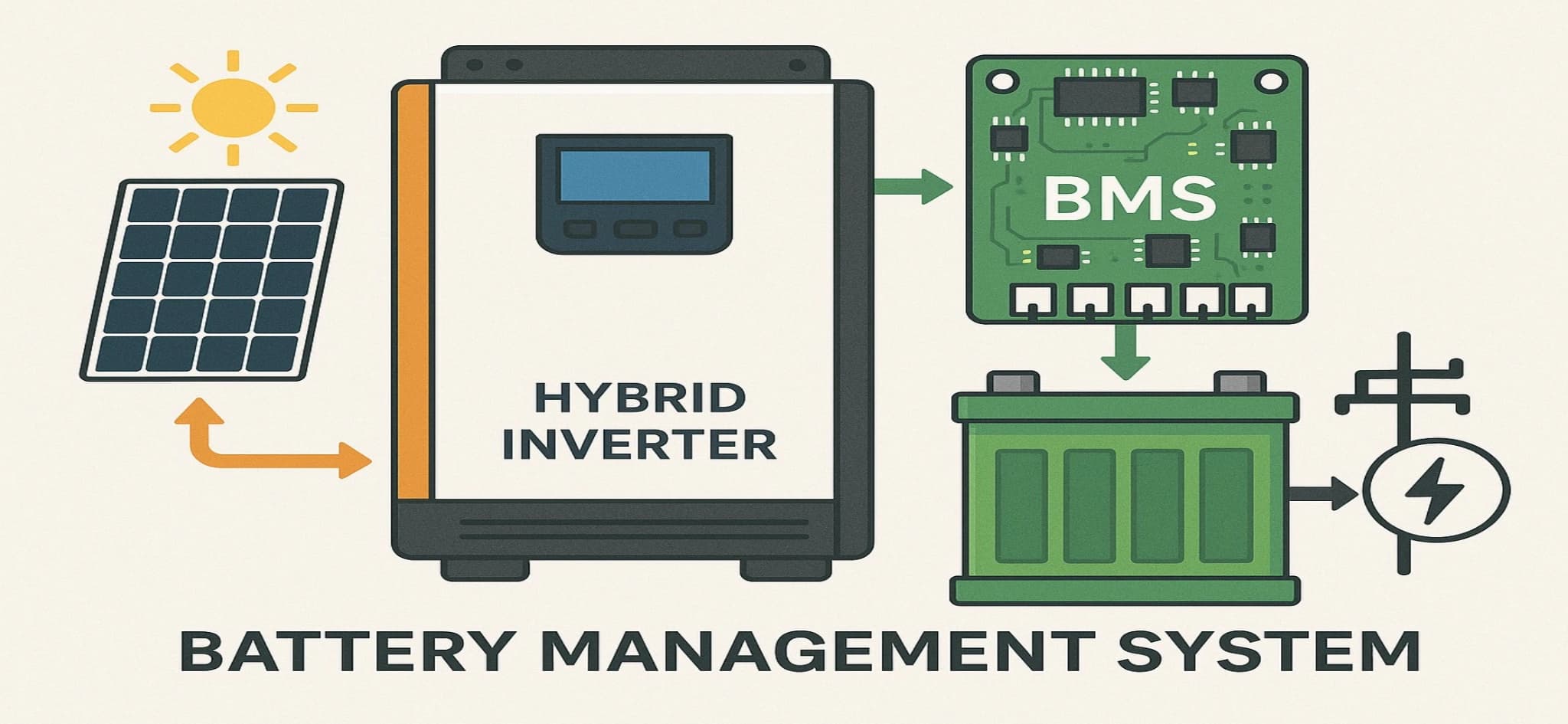
Cloudy and rainy days often reduce the immediate electricity generation from your panels. By installing a solar battery storage system, you can store excess energy generated during sunny days and use it when your solar production dips. This ensures a consistent energy supply and minimizes reliance on the grid during bad weather.
Consider lithium-ion batteries with high depth-of-discharge ratings and smart energy management features.
3. Optimize Panel Angle and Orientation
Proper positioning of solar panels plays a vital role in maximizing output during all weather conditions. In cloudy weather, light comes from multiple angles due to scattering. Panels should be installed at an angle that allows them to absorb as much diffused light as possible.
Work with your installer to determine the optimal tilt and orientation based on your geographic location and seasonal sunlight patterns. Adjustable or dual-axis tracking systems can further improve yield, although they come at a higher cost.
4. Keep Solar Panels Clean and Well-Maintained
While rain can help rinse away surface dust, it often fails to remove stubborn debris such as bird droppings, pollen, pollution residue, and fallen leaves. This buildup can significantly reduce solar efficiency—especially during low-light conditions when every watt matters.
Crown’s anti-dust solar panels offer an advanced surface treatment that resists dust accumulation, helping panels stay cleaner for longer and perform more consistently, even in challenging environments.
That said, regular visual inspections are still recommended. After storms, dry seasons, or pollution-heavy days, it's important to check for any unusual buildup or damage. A proactive maintenance routine combined with Crown’s anti-dust panel technology can ensure your solar system delivers reliable performance year-round.
5. Use Smart Inverters with MPPT Technology
Modern solar systems utilize the best inverters with MPPT (Maximum Power Point Tracking) technology. MPPT-enabled inverters continuously adjust the electrical operating point of the panels to extract maximum power, even when sunlight levels fluctuate during cloudy weather.
A smart inverter can boost overall system efficiency, especially on partially cloudy days when light levels vary throughout the day.
6. Avoid Shading from Trees or Nearby Structures
Cloudy conditions already reduce available light, so any additional shading—caused by trees, chimneys, or buildings—can further impact performance. Panels should have a clear path to the sky to maximize their ability to gather scattered light.
7. Monitor Your System Performance
A solar monitoring system gives you real-time insights into your system’s performance. This is especially important in variable weather, as it allows you to detect underperformance, inverter faults, or shading issues quickly.
Use mobile apps or web dashboards provided by your installer or inverter brand to track daily and monthly energy output. Regular monitoring ensures proactive system care and optimization.
8. Slightly Oversize Your Solar System
In areas with frequent overcast or rainy weather, it may be wise to install a solar system with more capacity than your baseline needs. This ensures that you’re still generating sufficient power during low-sunlight periods.
For example, if your average daily energy need is 10 kWh, consider sizing your system to produce 12–14 kWh on sunny days to compensate for reduced production during cloudy periods.
9. Choose Panels with Proven Low-Light Performance
When evaluating solar panels, check technical specifications for low-irradiance performance. This metric shows how efficiently a panel performs under limited sunlight. Panels that perform well at 200 W/m² (common during cloudy weather) will serve you better than those optimized only for full sun.
Look for manufacturers with independent testing data and positive reviews for real-world performance in northern or coastal climates.
10. Conduct Regular System Maintenance
Routine inspections and preventive maintenance ensure that your system remains efficient even in less-than-ideal conditions. Over time, electrical components, connectors, or mounting systems may degrade, which can reduce system output.
Inspect cables and mounts for corrosion, test the inverter and battery health periodically, and ensure no new shading has developed due to environmental changes or nearby construction.